What Buyers Compare First
Buyers ordering bulk cat harnesses are really buying two things at once: escape resistance and acceptance by the cat. A harness that escapes is a product failure; a harness the cat fights wearing is a review failure. So the first comparison points are always the closure system, the escape paths at chest and shoulder, and how the strap layout spreads load without pressing on the throat.
The market context helps you position the range: cat walking has moved from novelty to routine, and harness-and-leash sets are now an expected category in urban pet retail. Our sizing guidance in the Maine Coon gear sizing guide covers the large-cat end of the range, and welfare-oriented background on harness training is available from International Cat Care.
Volume pricing on bulk cat harnesses follows tiers rather than a single rate, so consolidating formats into one order lowers the unit cost across the range instead of paying per-SKU minimums separately. The quotation states the tiers explicitly, which makes the bulk cat harnesses depth decision a matter of arithmetic rather than negotiation.
Compliance paperwork on bulk cat harnesses is supplied per shipment and matched to the destination market, because a specification that is sellable in one market may need adjustment in another. Buyers who state their destination at briefing get the bulk cat harnesses documentation correct the first time, and the paperwork arrives with the goods rather than as a chase after the fact.
Mixed orders on bulk cat harnesses are priced against per-design minimums rather than a single blanket quantity, which is how a first-time range covers several formats without over-committing to any one of them. The quotation lists the minimum per design alongside the tier rates, so the bulk cat harnesses assortment decision is visible in numbers before the order is placed.
Range Structure That Sells Through
For bulk cat harnesses, a sell-through range has three formats. The vest or jacket style is the beginner favourite: more contact area, harder to back out of, and the easiest story to sell to first-time harness buyers. The H-figure strap style is the lightweight option that cats accept fastest in warm weather. The escape-artist style adds a second closure and chest coverage for cats that have defeated a standard harness — a small SKU but a loyal following.
Match the leash offer to the harness: full sets retail better than separated units for gifting, while separate leashes serve buyers who already own one. Size bands should cover kitten through large breeds — the vest style especially needs a genuine small band, because kittens grow into harnesses, not out of them quickly.
Private-label options on bulk cat harnesses cover logo printing, custom packaging, and instruction copy in your voice, with the branding applied at packaging stage so it does not add production risk. The OEM/ODM path is documented the same way: specification confirmed, sample approved, batch produced against the approved sample. That chain is what keeps a bulk cat harnesses brand line consistent from the first order to the fifth reorder.
Customer education materials for bulk cat harnesses — instruction cards, sizing guides, care instructions — are produced in-house alongside the packaging, so the insert copy matches the shipped specification exactly. Buyers who use the factory-supplied bulk cat harnesses education cards see fewer misuse complaints, because the customer learns the routine from the same source that built the product.
Trade buyers refilling bulk cat harnesses per size learn the demand curve within one cycle, and the second order is where the range economics actually land: drop the slow ends, deepen the mid band, and the per-unit rate improves with the consolidated volume. That second-order arithmetic is the real bulk cat harnesses margin conversation, and it starts with honest first-order data.
Materials and Construction
The standard construction is breathable soft mesh over high-strength nylon webbing, with reinforced stitching at every load point and quick-release buckles that open one-handed. Reflective strip versions add evening visibility for urban walking. Non-toxic, skin-friendly finishing matters here more than in dog gear, because cats groom the strap area and lick whatever residues it carries.
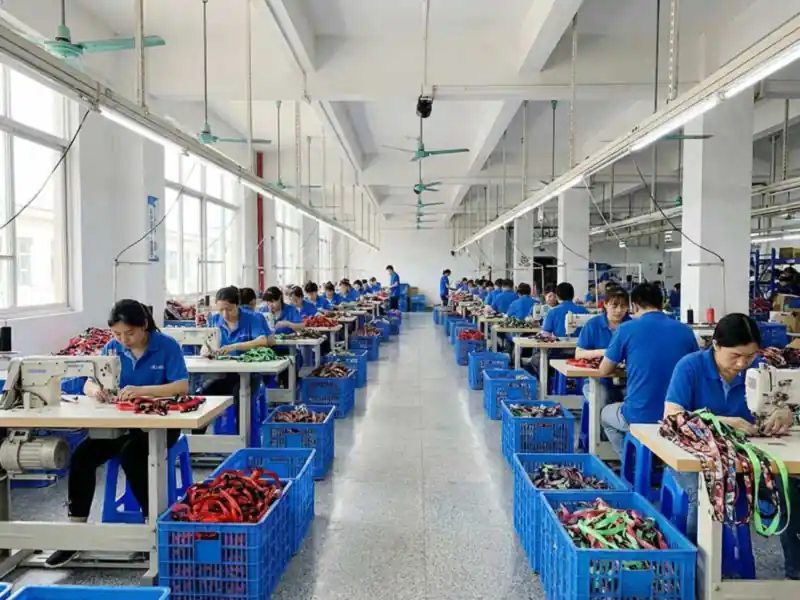
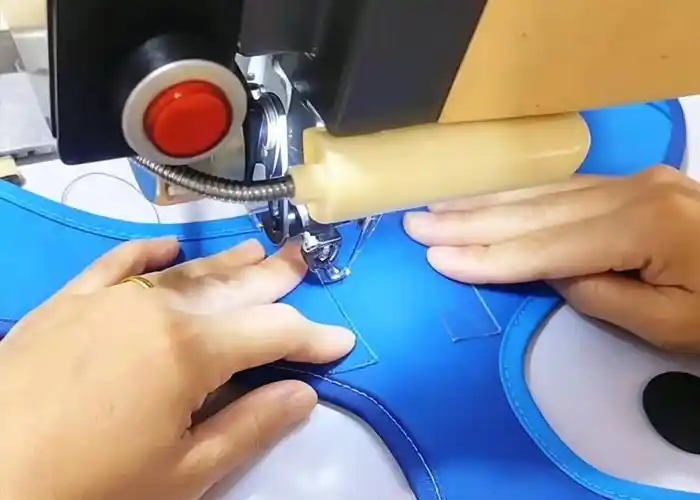
Load points are where bulk cat harnesses are won or lost: the chest junction takes the pull when a cat lunges, so bartack stitching and webbing width at that point are specified, not improvised. Buckles are chosen for a secure close that still opens under deliberate pressure. Mesh panels are set away from seams to avoid edge rub on short-haired cats. These construction details are what turn a first purchase into a repeat one.
Lead times on bulk cat harnesses run in two tracks: stock configurations ship in 3–7 days, and custom or branded orders run 7–30 days from confirmed artwork and sample approval. The two tracks matter when planning a launch calendar, because artwork revisions — not production — are what push custom timelines. Buyers who lock samples early keep the bulk cat harnesses reorder cycle predictable through peak season.
Colour and finish choices on bulk cat harnesses are confirmed at sample stage against physical references, not screen colours, because the difference between approved and shipped is where category disputes start. Buyers who sign the physical bulk cat harnesses sample get a production run checked against that same physical reference — the loop closes on paper and stays closed in the box.
Quality Control and Documentation
Every batch of bulk cat harnesses goes through pull testing at the chest junction and the leash attachment, buckle open-close cycling, and a fit check across the size range on standard cat mannequin weights. Reflective versions are checked for strip adhesion after washing. Inspection reports are available on request and batch-referenced, which supports any safety claims you make on listings.
Compliance support covers material declarations for fabric and hardware, and labelling with country of origin in your market's language. If you retail under your own brand, we apply brand labels during production. The goal is that your quality story is verifiable — reviewers who test escape resistance online are effectively performing your QC for you, in public.
Photography and presentation standards for bulk cat harnesses listings matter as much as the specification table: buyers read the table to qualify and the photos to commit. Listing sets that pair the spec table with in-use photography convert at a multiple of flat product shots, and the factory supplies reference images with the bulk cat harnesses sample approval pack.
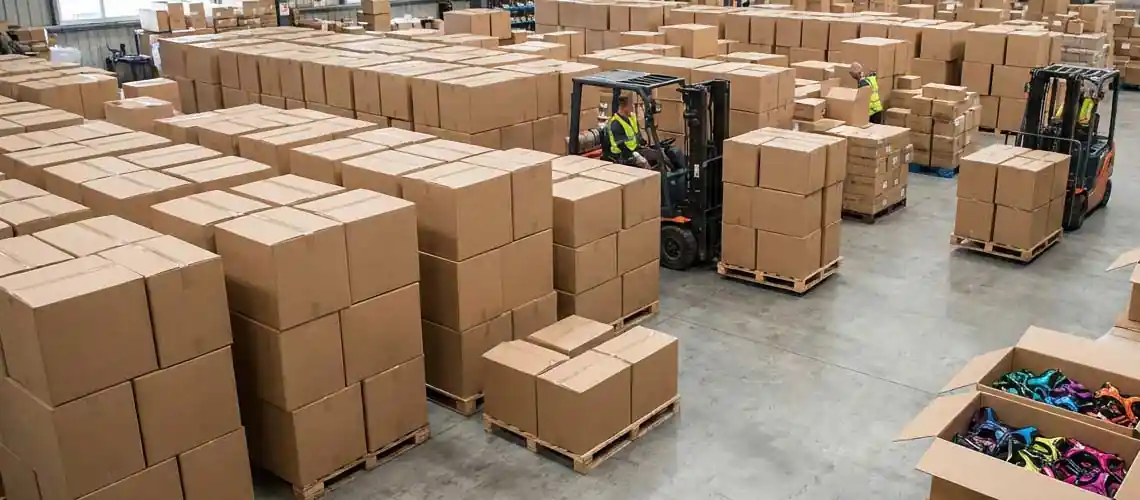
Freight on bulk cat harnesses benefits from consolidation: mixed pallets that combine this line with adjacent soft goods or feeding categories often ship at a lower per-unit rate than any single heavy category. The ordering model accepts mixed-category orders against a single MOQ, so building the shelf and the shipment happen in the same bulk cat harnesses conversation rather than as two separate procurement projects.
OEM and Private Label Routes
Private label on bulk cat harnesses is fast because the structures are proven: your logo printed or heat-transferred on the harness, woven labels, branded polybag or paper box packaging, and colour matching to your palette. Custom fabric development — mesh density, reflective grade, texture — is available for a differentiated line, with samples in 3–7 working days for existing structures.
Extended size ranges for kitten and large-cat markets are a common ODM request and are handled at the pattern stage rather than as a resized afterthought. If you are building a full walking range, harnesses pair naturally with the collar lines — see the wholesale cat collars page — and the OEM vs ODM sourcing guide maps which decisions belong before sampling.
QC documentation on bulk cat harnesses travels with the shipment: material declarations, batch codes that trace to the production run, and the specification table your listing should reproduce unchanged. Retailers who publish the spec table see fewer sizing and expectation returns, because the buyer knew exactly what was ordered. The same documentation discipline applies across the factory's categories, so a bulk cat harnesses order audits the same as any other line.
Buyers comparing bulk cat harnesses usually open the conversation with MOQ and lead time, and both are confirmed in writing on the quotation. Mixed orders across formats and colourways are accepted, which is how most first-time buyers cover a range without depth risk. Send the brief with your channel and market, and the quotation with the full specification table comes back within one business day, so the bulk cat harnesses decision does not stall on missing numbers.
MOQ, Lead Time and Shipping
Standard minimums on bulk cat harnesses start at 50 units per model, lower for mixed orders, and stock styles ship in 3–7 days. Customised production runs 15–25 days after sample approval depending on specification. Harnesses are light and compressible, so freight is cheap relative to value; most first orders go by air, follow-ups by sea.
A quotation comes back within one business day when the brief includes model mix, size split and packaging choice. Use the RFQ guide for pet products to structure the brief, and if you sell retail-ready units, the UPC barcode and packaging guide lists the labelling details to lock before production.
Quality complaints on bulk cat harnesses almost always trace to a specification the buyer did not confirm — a size band assumed, a plating grade unspecified, a packaging format left to interpretation. The briefing checklist exists to close exactly those gaps, and bulk cat harnesses quotations from a complete brief rarely produce the disputes that incomplete ones do.
Samples on bulk cat harnesses are approved against the same specification that governs the batch, so what you sign off is what ships — there is no silent substitution between sample and production. That policy is why experienced buyers test the bulk cat harnesses sample against their market before committing depth, and why the reorder rarely needs a second approval round.
Pricing, Margins and Channel Fit
bulk cat harnesses carry strong margin structure because the value story is safety and design rather than raw material. Retail markup potential runs 100–150% on the vest styles, with the escape-artist line commanding the premium. Sets with matching leashes raise average order value without complicating the SKU count.
Channel fit: boutiques and online sellers take the design-led vest lines; clinics and shelters order simple strap styles; subscription boxes use the lightweight H-styles for size flexibility. Harnesses pack flat alongside wholesale cat collars and cat sweaters wholesale, and the full wholesale cat products range is there when you want one mixed container instead of three suppliers.
Marketplace compliance on bulk cat harnesses comes down to copy discipline: state the specification, keep claims on construction, and point outcome questions to professional guidance. Sellers who follow that structure clear listing review the first time, and the same posture protects bulk cat harnesses listings when platforms tighten category rules without notice.
After-sales handling on bulk cat harnesses runs through the same one-business-day reply channel as the quotation, with batch codes making any complaint traceable to a production run. Claims are assessed against the specification, not against adjectives, which is the documentation-first posture that keeps bulk cat harnesses dispute rates low for sellers operating on marketplaces with strict performance metrics.